

Background
The YHTEYS project addresses the need to support the mental health of higher education students, prevent study dropout, and strengthen the sense of community within higher education institutions. Research and reports indicate a concerning increase in students’ mental health challenges, loneliness, burnout, and study discontinuation.
Educational institutions do not always identify or adequately support students who would benefit from low-threshold support services. At the same time, the work of guidance, teaching, and student welfare staff has become increasingly demanding, while resources have diminished and experiences of workload and inadequacy have grown.
Goal
1. To strengthen the capacities of higher education guidance, teaching and student welfare staff, as well as student organisation professionals, identify, engage with and guide students experiencing mental health challenges, and to support them in accessing further assistance and support.
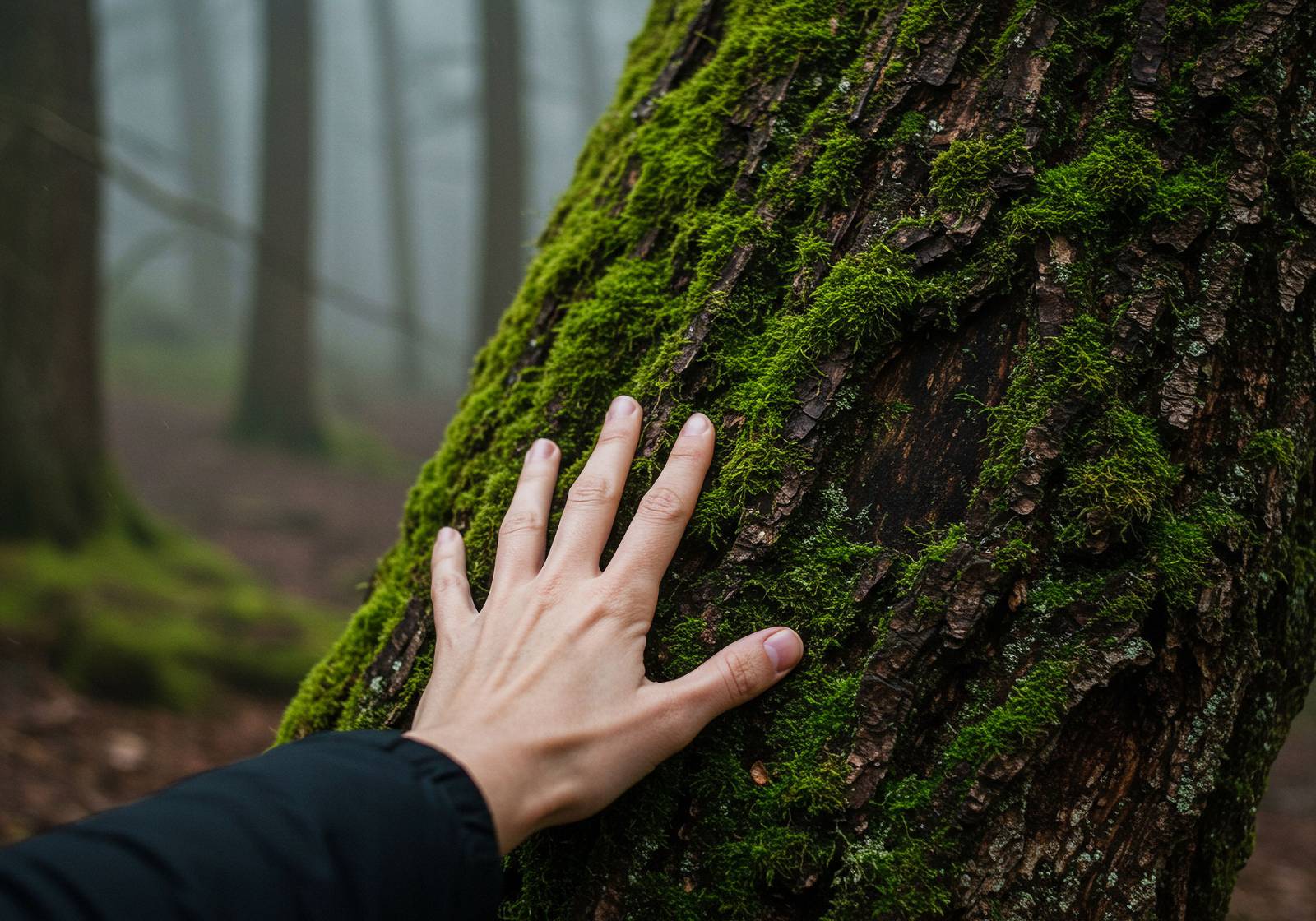
2. To co-create and pilot new social innovations based on psychological safety, nature-based methods and transmedia content, to reach and support students experiencing mental health challenges, particularly those who have become isolated in their homes.
3. To strengthen the competence of higher education guidance, teaching and student welfare staff, as well as student organisation professionals, in designing and facilitating psychologically safe groups and implementing interventions in natural environments with transmedia support.
4. To enhance staff members’ sense of meaningfulness at work and their occupational wellbeing by strengthening practical interaction and guidance skills that facilitate their daily work and their encounters with students experiencing mental health challenges.
5. To strengthen student organisation professionals’ competence in coordinating and providing training for peer support activities, including through nature-based and transmedia approaches.
6. To embed the nature-based and transmedia models developed in the project as permanent regional practices and raise awareness of them nationally.
Impact
In the long term, the project will contribute to structural change in wellbeing support within higher education by integrating psychological safety, nature-based approaches and transmedia methods into the established practices of teaching, guidance and student welfare services. The enhanced competence of higher education teaching, guidance and student welfare staff, as well as student organisation professionals, in identifying and supporting students experiencing mental health challenges will lead to lasting improvements in the quality of learning environments and student wellbeing.
The peer support model developed for student organisations will be disseminated across the higher education sector, fostering a new culture of inclusion in which even the most vulnerable students can experience a sense of belonging to the community.
In the long term, the project will reduce study dropouts and the risk of social exclusion and facilitate the transition from higher education to working life, particularly among students experiencing mental health challenges. Increased wellbeing within higher education communities will strengthen their resilience, thereby enhancing their capacity to adapt to change and enhancing their attractiveness as places to study and work.
Funding source
Co-funded by the European Union
Coordinating organisation
Tampereen ammattikorkeakoulu Oy
Partners
Suomen Humanistinen Ammattikorkeakoulu Oy (Humak)
Ahjolan Setlementti ry