
MDE goes TCWorld 2025: The current state of AI, Technical Communication, and Digital Work
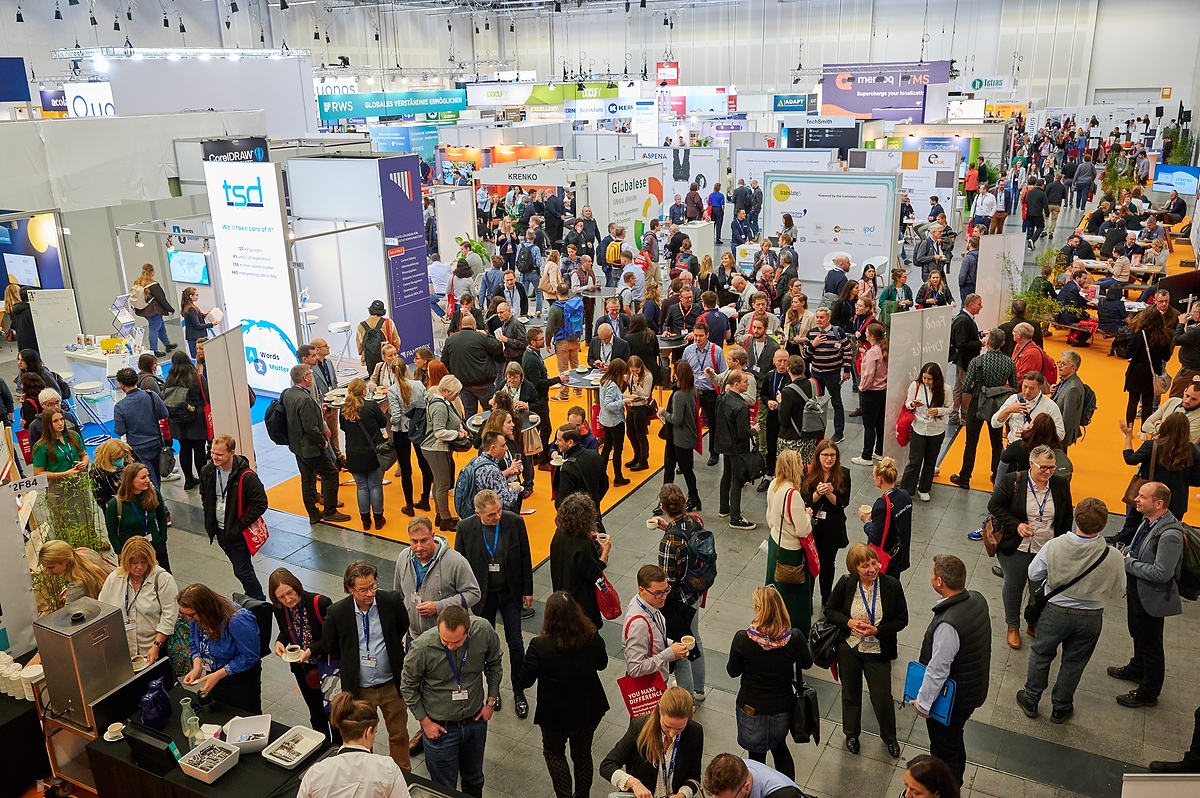
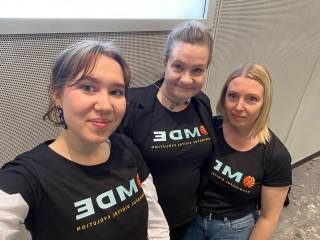
At the beginning of September, part of our MDE team had the opportunity to attend TCWorld 2025, the world’s largest conference for technical communication. For me, it was not only my first time at TCWorld, but also one of my first ever conferences as a researcher and technical communication professional. The experience turned out to be… many things. Now that some time has passed and we’ve gotten back to our regular work, it feels like the right time to reflect on the trip and the thoughts we gathered during our stay in Stuttgart.
Before the conference
Our journey began well before we landed in Germany. Like many of us, we managed registrations across multiple platforms, requested travel permissions, created travel invoices, and so on. As an added benefit, two of us received a last-minute email titled “Access to conference blocked” because the system thought our tickets hadn’t been paid.
Some of you might remember our blogpost from the Business networking days, where we did a small survey. We asked three questions, one of them being “Which 3 of your work tasks would you most like to hand over to AI?” People repeatedly hoped AI would help with administrative things: forms, fragmented systems, unclear processes, and manual steps required to get simple things done. I certainly can relate.
Even something as simple as requesting a refund for train tickets requires me to log into a tool, verify my account with a separate mobile app, download my train tickets from the vr.fi website, attach them to the request, manually fill in the costs of the train tickets, and finally fill in short descriptions for the train tickets. Surely this could be simpler?
AI is everywhere, but is it (or can it be) equally understood?
In Stuttgart at the actual conference, it was immediately clear that AI is now part of nearly every discussion in technical communication. In one way or another, almost all sessions, whether about content strategy, knowledge graphs, localization, or content reuse, circled back to AI.
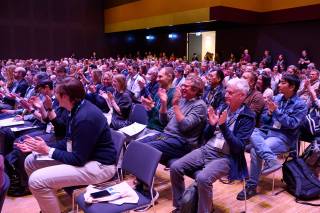
Highlights of the tcworld conference and fair
This was to be expected. What did stand out was the variation in the ways people talked about AI. We saw cutting-edge applications, like LLM-powered conversion of legacy PDF documentation into DITA (Peking University) and AI-assisted documentation production (Accenture). Here AI felt concrete, practical, and useful. Others were at the “AI 101” level, for example explaining that you should not, under any circumstances, paste raw ChatGPT text into a highly technical user manual or you would be legally responsible for the outcomes.
Although at first those tips and sessions felt self-explanatory, it is important to remember that many people still have to navigate AI on their own. In that sense, the basics are crucial for individuals who might not get formal guidance from their organizations and are left to navigate and choose between all of the tools and best practices by themselves.
Workshops and expectations vs. reality
I also attended a workshop on sustainable prompt engineering. Parts of the workshop were great, especially connecting with other technical communication professionals and hearing about their experiences and pain points with AI. As AI skills in the field vary widely, it’s good to have beginner-friendly materials. However, I personally didn’t benefit much from the content as it didn’t really help me refine my own AI workflows.
This is directly related to a central theme for MDE: adopting AI is never just a technical question. Organizations need to find ways to bring people from different toles, teams, and levels of expertise into the same conversation. Without shared processes, understanding, or common language, it’s difficult to adopt even the best of tools.
Why TCWorld mattered for us
What we gained from the conference:
- An overview of the current state of AI adoption in technical communication.
- Real-world use cases that inform our research on meaningful digital work.
- Insight into the challenges people face with tools, boundaries, workflows, and collaboration.
- A chance to connect and network with other technical communication professionals.
It also reaffirmed that technical communication is a great place to start when looking into digital transformation. Technical writers, translators, terminologists, and content strategists work through boundaries of expertise, culture, language, and tools every day. This makes them ideal partners in looking at meaningful digital evolution.
Final thoughts
TCWorld 2025 was a good reminder that while AI is already reshaping workflows, expectations, and skills, there are still a lot of struggles with very basic things.
For researchers, this is both a challenge and an opportunity.
As we continue our work on the MDE project, events like TCWorld help us stay connected to the real world. Rather than staying in our own academic bubble, we talk to the people whose work is most affected by digital transformation. This is how we can better support our communities and colleagues.
It is increasingly clear that in modern organizations, technical communicators are no longer “just writers.” We often end up as information architects, translators between teams and tools, planners who decide how content moves through an organization, and supervisors of terminology and knowledge. As boundaries between roles blur, people need to collaborate across disciplines, locations, and professional backgrounds more than ever. All of this comes down to the question about the human part of work:
When tools become faster and more automated, how does the meaningfulness of work change?
Where does human expertise continue to matter and how do we protect that?
Written by Iida Tuuva