
Touch and embodied interaction in close relationships
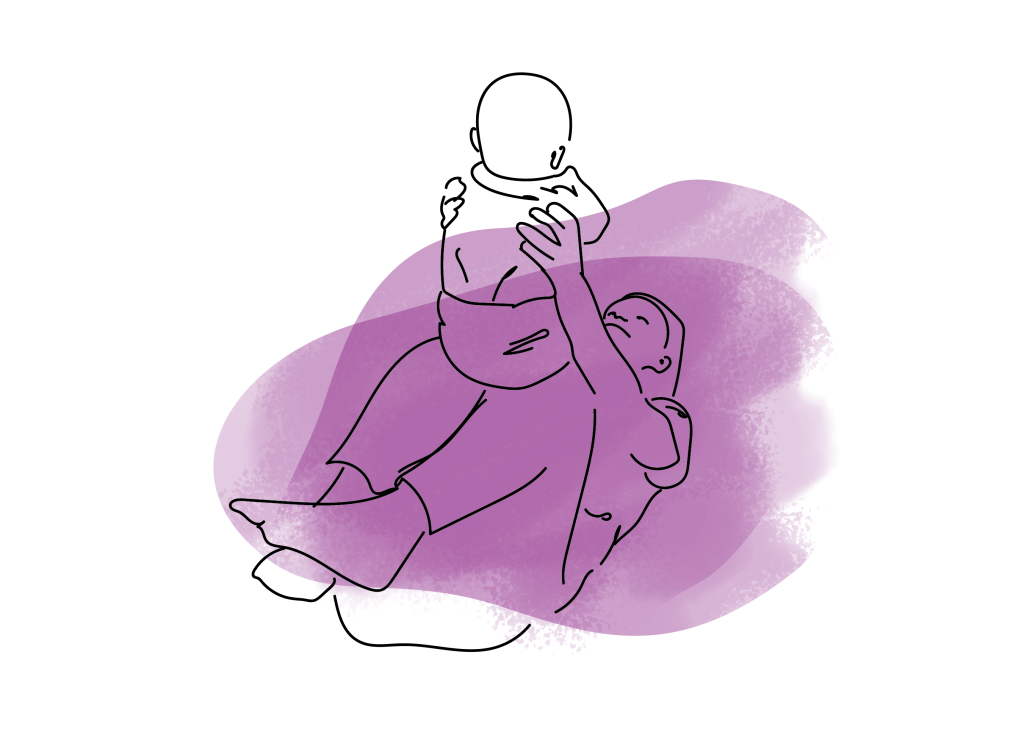
Daily interaction at home is a child’s first contact with the social world. In families with infants, this interaction is strongly shaped by embodied communication, touch, and emotions. Children need continuous attention and care, while parents must balance these needs with their own and with everyday household demands.
Although parental exhaustion is often discussed, little is known about what actually happens in everyday parent–child interaction and how it is experienced in daily life. This study examines how parents caring for young children at home interact with their children and with each other, using video ethnography, participant observation, and interviews.
We focus on how parents and young children communicate through touch and emotional expression, and how practical tasks—such as attending to a child’s bodily needs or completing household chores—are coordinated through embodied interaction. We also explore how parents manage being with a baby or toddler while cooking, using the bathroom, or communicating with others, and what coping strategies they develop in routine daily activities.
We are recruiting families in the Helsinki metropolitan area, Oulu, and Tampere with at least one child under two years old and a parent who stays at home. The study does not assess “good” or “bad” interaction but examines how interaction unfolds in each family’s unique context. Cameras and microphones record everyday life for one week, including one day of on-site observation, followed by interviews. Participants may keep their video recordings if they wish.
Full websites in English coming soon!