
Why Collaboration Matters
Sustainability-driven innovations are pivotal in reshaping our future by offering transformative solutions to the world’s most pressing social and environmental challenges (Adams et al., 2016). To achieve long-term sustainability, such innovations require efficient and equitable structures that encourage key stakeholders to collaborate. To date, however, there are multiple challenges related to the legal, policy and innovation management structures that govern sustainability-driven innovations (Altenburg & Pegels., 2012). To overcome these challenges, it is necessary to look beyond the single field-approach and embrace a holistic view to find workable solutions to the complexities related to sustainable innovations.
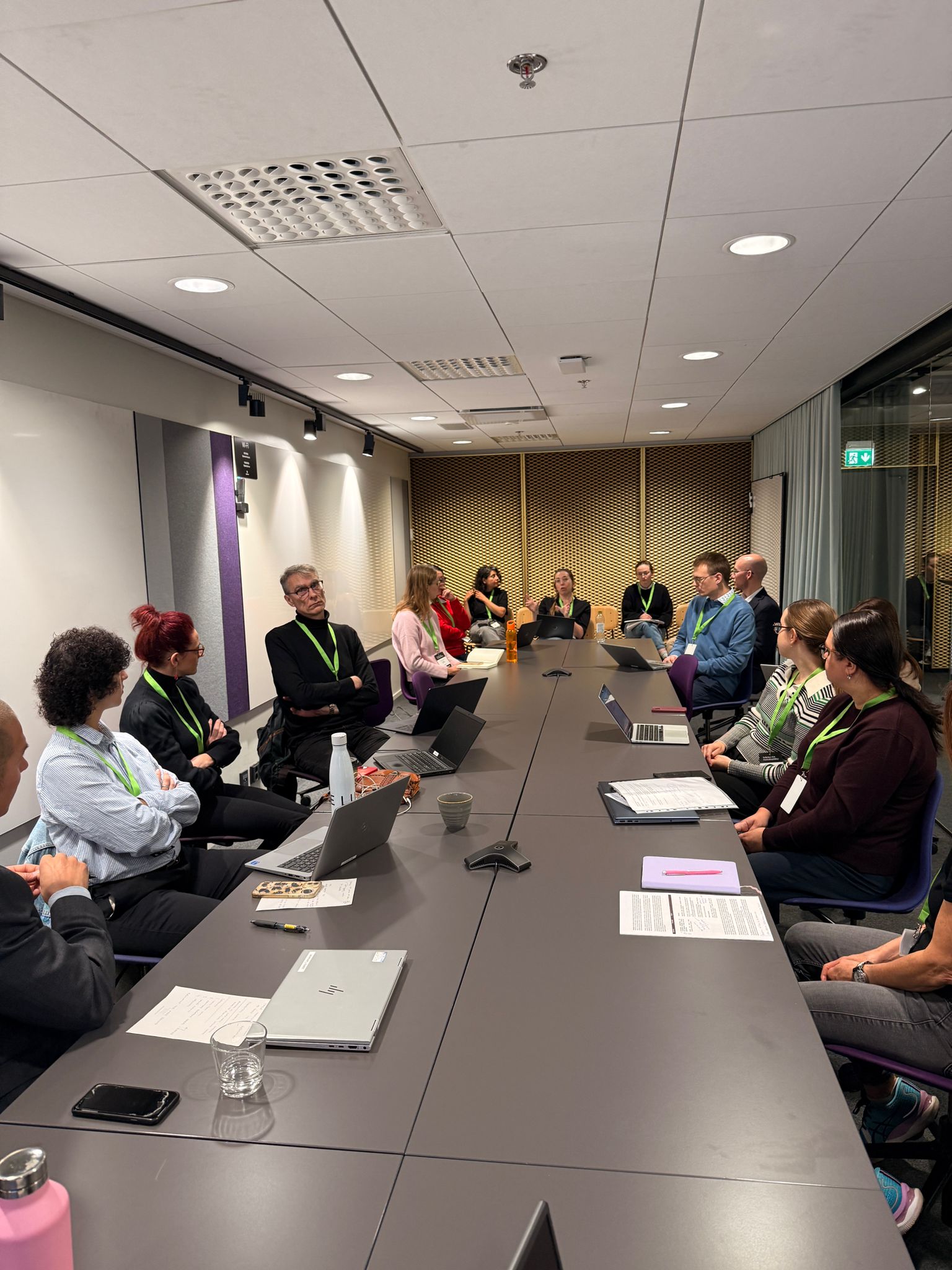
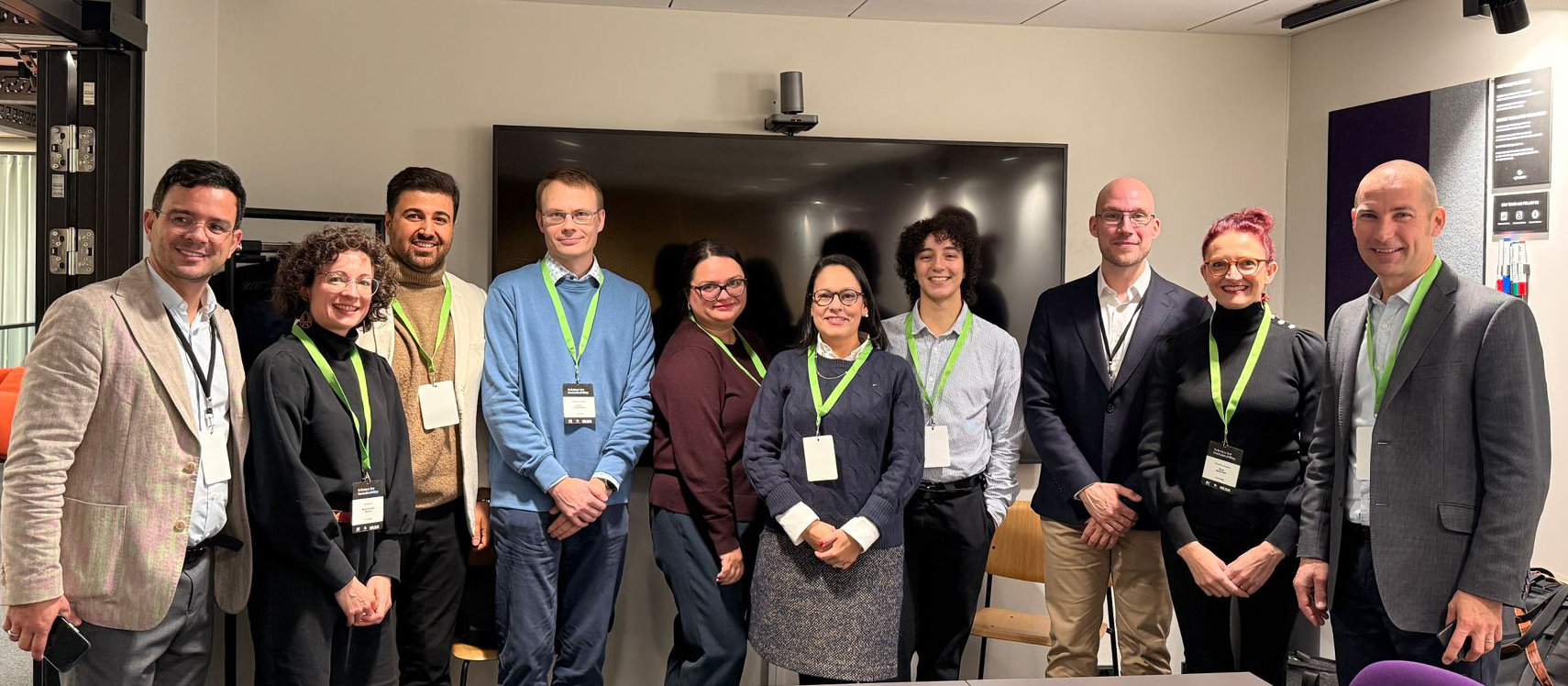 To this end, the interdisciplinary project team, comprising researchers from law, policy, and management, conducts research and hosts events to foster dialogue and raise awareness on these critical issues. In October 2025, the eColabor team hosted a special session at Science for Sustainability[1], Finland’s largest sustainability research conference, organized by the University of Helsinki. This year’s theme focused on unfolding new perspectives for sustainability transformations. Our interactive session, Envisaging Collaboration for Sustainable Innovation: Pushing the Boundaries through Law and Governance, explored the intersections of legal frameworks, business ecosystem management, and innovation, to promote multi-stakeholder collaboration for sustainability-driven innovations. The panel session [i] brought together diverse voices from the academia and the industry, offering both theoretical and practical insights into the challenges and opportunities of cross-sector collaboration.
[1] Previously ”Sustainability Science Days”
Rethinking Legal frameworks for Sustainable Innovation
On the legal side, Professor Rosa Ballardini from the University of Lapland addressed the intellectual property rights (IPR) mismatch in the context of collaboration for innovation: on the one hand, IPR are essential to incentivise innovations, while, on the other hand, the legal monopoly they give to their owners acts as an obstacle to sharing and collaboration. Companies hesitate to share and even co-create, fearing appropriation or illegitimate reuse. As Ballardini noted, this often overly protective attitude can impede the partnerships needed to develop sustainable innovation. For this reason, Rolando Tomasini, Director of Partnership Development for Europe at PATH, emphasized the central role of defining knowledge ownership modalities as a founding step to collaboration. New licensing models are emerging to address this mismatch. One example is the Environmentally Sustainable Open Source (ESOS) license (Siltaloppi & Ballardini, 2023) which aims to promote environmental sustainability by incentivizing innovators to openly license their sustainability-oriented innovations. According to Ballardini, novel licensing models like the ESOS offer promising pathways for fostering collaboration and reimagining business practices.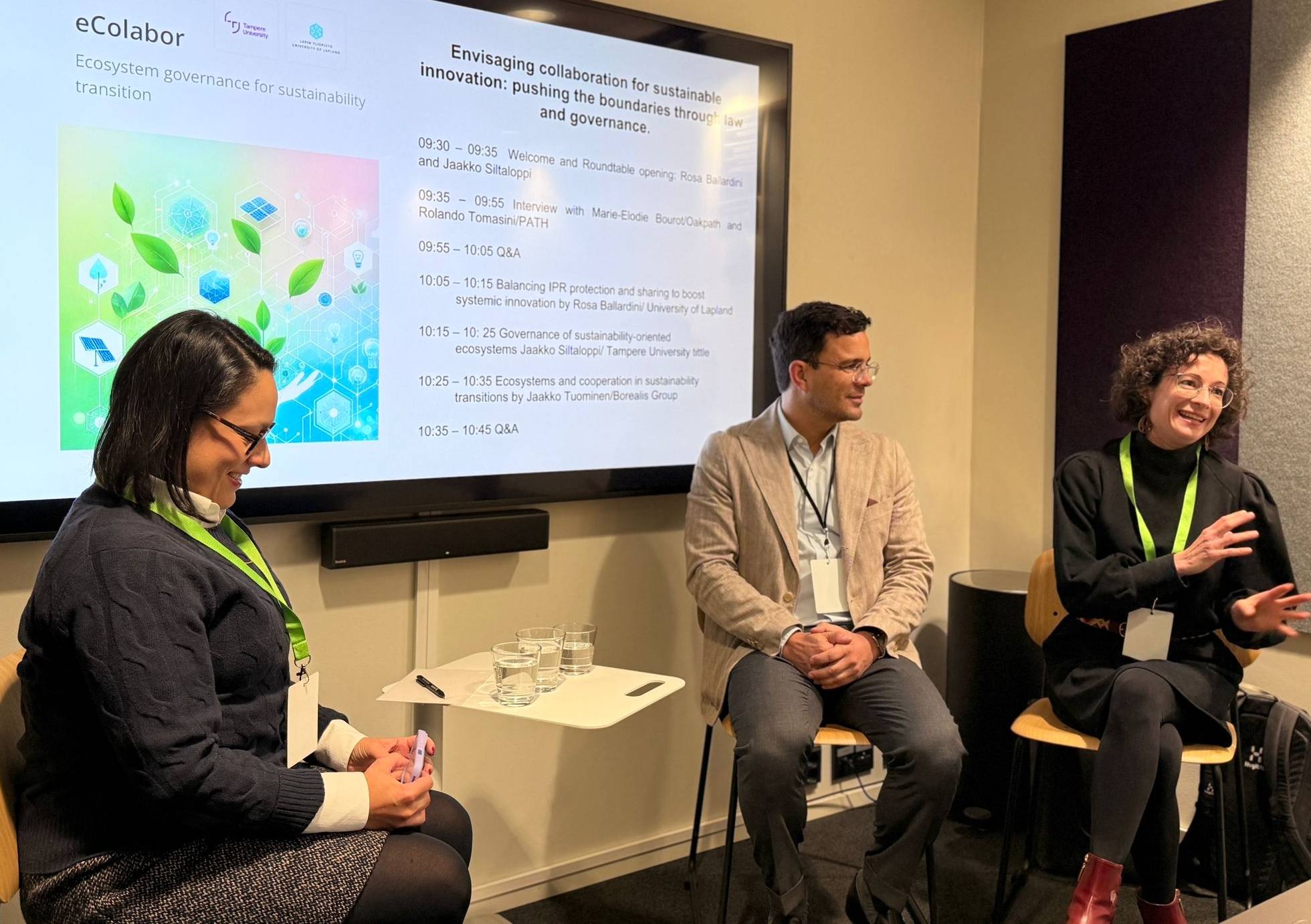
From a policy perspective, Marie-Elodie Bourot, Sustainability Expert, underscored the role of regulation as a potential accelerator of collaboration. However, she argued that meaningful change requires laws that are both proactive and ambitious. For instance, the Corporate Sustainability Reporting Directive (CSRD) was once a more ambitious initiative. The directive, initially developed to standardize sustainability reporting in the EU, has recently been eroded, highlighting the need for stronger regulatory commitments to drive sustainability transformation.
Making Multi-Actor Collaboration Work in Practice
Sustainable innovation carries significant managerial implications, particularly in how collaboration is orchestrated in practice. Presenters emphasized the importance of openness, inclusivity, and active engagement with diverse stakeholders. Collaboration was framed not just as a tool, but as a catalyst for innovation. As Tomasini put it, “to innovate, you need to listen”. Bourot reinforced this by highlighting the need to define who the stakeholders are to engage them accordingly. Aligning needs and expectations is essential for sustainability-oriented innovation, providing fertile ground for long-term collaborations.
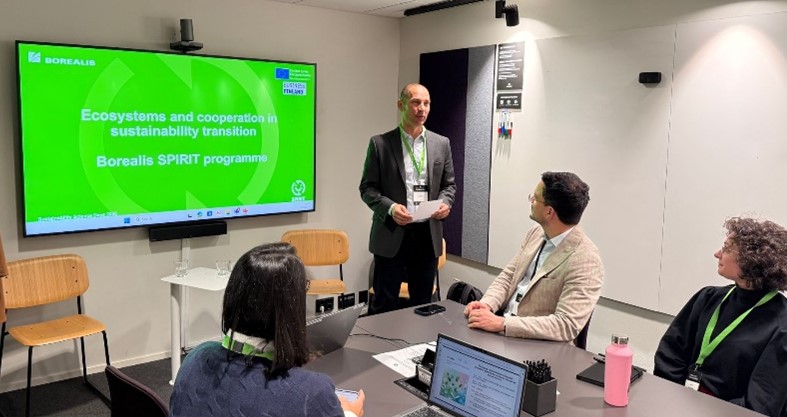
Concrete lessons from the business side are illustrated by Jaakko Tuomainen, Programme Manager at Borealis, a company leading the SPIRIT innovation project. This four-year programme, partially funded by Business Finland, aims to build a collaborative ecosystem to advance sustainability in the plastics industry. While acknowledging the functional value of plastics, SPIRIT’s mission is to develop solutions to reduce their environmental impact by extending their lifecycle. The project tackles themes such as carbon-neutral production and improved recycling rates, resulting in 21 sub-projects and the involvement of over 100 organizations. Being the facilitator of the ecosystem, Borealis must frame the goals of the collaborations while aligning individual and ecosystem interests. Tuomainen emphasized: “the leading company should take an active role in the research scope, translating the business needs”. For instance, it is important to ensure clear communication with both internal and external stakeholders, enabling frequent and meaningful interaction throughout the project.
Key Takeaways
As Jaakko Siltaloppi, Senior Research Fellow, noted, “sustainable solutions require multi-actor collaboration.” Adopting an ecosystemic, collaborative approach to innovation is therefore essential. The session brought together academic and practitioner perspectives, illuminating the dynamic interplay between law and business management in the context of sustainability-driven innovation. Three key insights emerged from the discussion on collaboration for sustainability transformations in business, highlighting the roles of policy, legal frameworks, and management:
- Collaboration is a driver of innovation, particularly in sustainability, and requires open dialogue and commitment.
- Legal and policy frameworks must be designed to actively support and enable collaborative arrangements.
- Managerial practices should align diverse interests and engage stakeholders to foster commitment.
Nevertheless, critical questions remain. Importantly, how can we balance ecosystem-level interests with individual incentives (Adner, 2017) for sustainable innovation? This persistent tension reflects the need for systemic attention from both academic and practical domains to this issue.
References
- Adams, R., Jeanrenaud, S., Bessant, J., Denyer, D., & Overy, P. (2016). Sustainability-oriented Innovation: A Systematic Review. International Journal of Management Reviews : IJMR, 18(2), 180–205. https://doi.org/10.1111/ijmr.12068
- Adner, R. (2017). Ecosystem as Structure: An Actionable Construct for Strategy. Journal of Management, 43(1), 39–58. https://doi.org/10.1177/0149206316678451
- Altenburg, T., & Pegels, A. (2012). Sustainability-oriented innovation systems – managing the green transformation. Innovation and Development, 2(1), 5–22. https://doi.org/10.1080/2157930X.2012.664037
- Siltaloppi, J., & Ballardini, R. (2023). Promoting Systemic Collaboration for Sustainable Innovation through Intellectual Property Rights. Journal of Co-operative Organization and Management, 11(1), Article 100200. https://doi.org/10.1016/j.jcom.2023.100200
Notes
[i] Panel sessions participants (left to right on the picture):
- Rolando Tomasini (Speaker, Director of Partnership Development for Europe, PATH)
- Marie-Elodie Bourot (Speaker, Sustainability Consultant and Founder, Oakpath)
- Anwar Al-Hamidi (eColabor research team, Doctoral Researcher, ULAP)
- Jarmo Uusikartano (eColabor research team, Doctoral Researcher, TUNI)
- Olena Susch (eColabor research team, Associate Professor, ULAP)
- Dhanay Cadillo Chandler (eColabor research team, University Researcher, ULAP)
- Yasmine Bounouara Parizet (eColabor research team, Doctoral Researcher, TUNI)
- Jaakko Siltaloppi (eColabor research team, Senior Research Fellow, TUNI)
- Rosa Ballardini (eColabor research team, (Professor, ULAP)
- Jaakko Tuomainen (Speaker, Programme Manager, Borealis).