

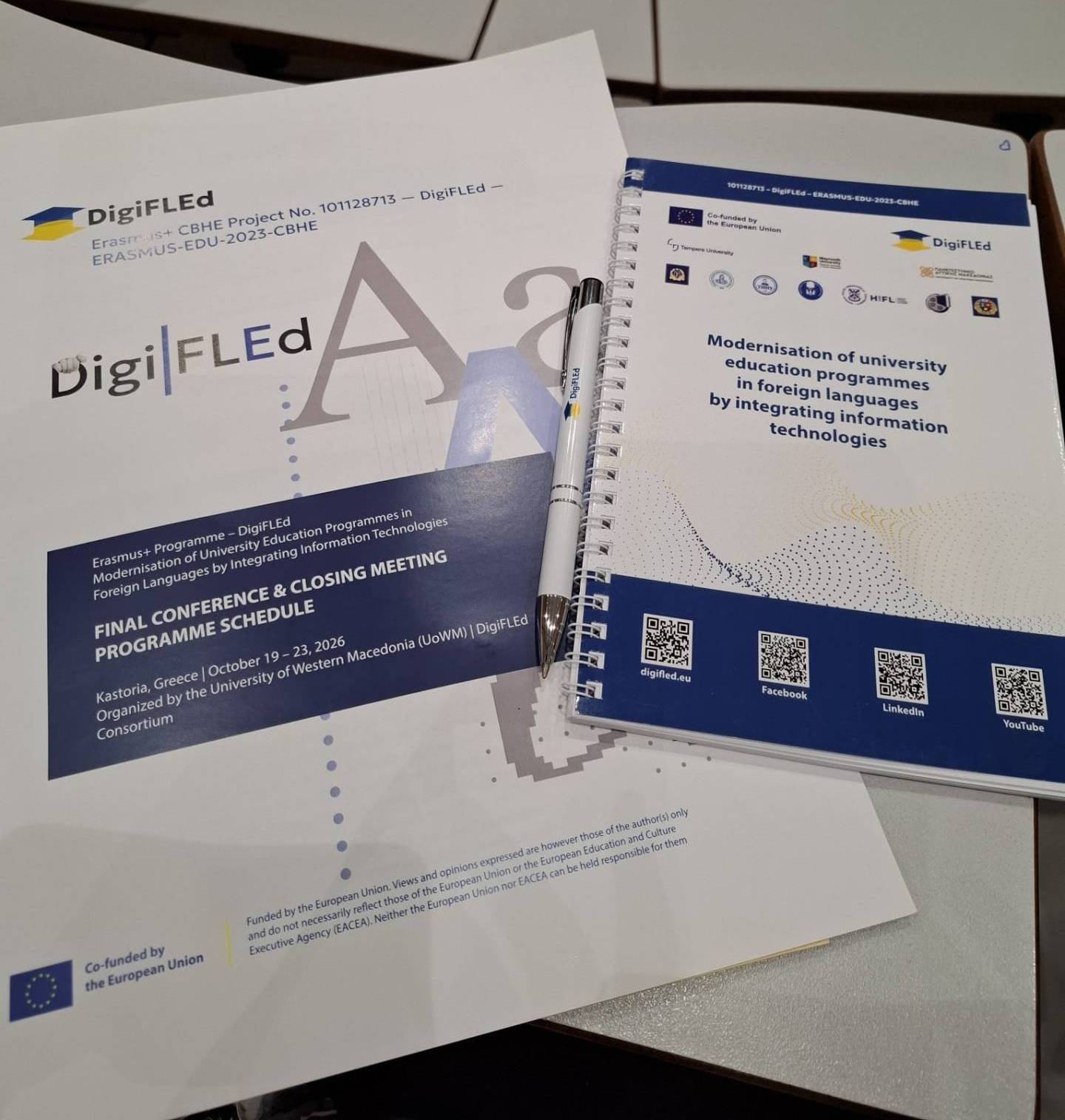
Tampere University has marked the successful completion of DigiFLEd, a three-year Erasmus+ Capacity Building in Higher Education project led by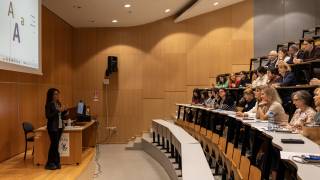 Tampere University, at an international final conference hosted by the University of Western Macedonia in Kastoria, Greece, from 19 to 23 October 2026.
The conference brought together representatives from ten partner universities across Finland, Ireland, Greece and Ukraine to celebrate the project’s achievements, reflect on lessons learned and explore opportunities for continued collaboration.
Running from 2024 to 2026, DigiFLEd focused on modernising foreign-language education in seven Ukrainian universities through the integration of digital technologies, innovative teaching approaches and international academic cooperation. The initiative sought to strengthen institutional capacity, enhance the quality and accessibility of education, and equip students and educators with the digital competencies increasingly required in today’s academic and professional environments.
Driving Sustainable Learning Outcomes

Over three years, the partnership achieved significant results, including the modernisation of 30 educational and professional programmes across seven Ukrainian universities, comprising 17 bachelor’s and 13 master’s programmes. The project also supported the development of digitally enhanced teaching practices, staff training, international benchmarking activities and the establishment of seven virtual learning centres.
Through these developments, participating Ukrainian universities have expanded their ability to offer innovative and accessible online learning..
The project also provided opportunities for Ukrainian academics to collaborate with European colleagues, develop new professional competencies and introduce innovative teaching practices into their institutions.
Supporting Ukrainian Universities During Unprecedented Challenges
A particularly significant dimension of DigiFLEd has been its implementation during the ongoing war in Ukraine.
Despite the considerable challenges faced by Ukrainian universities, project partners demonstrated exceptional commitment to maintaining educational provision, modernising curricula and strengthening international academic connections.
The final conference provided an opportunity to acknowledge the dedication and resolve of the Ukrainian academics and university leaders who continued to implement ambitious educational reforms under exceptionally difficult circumstances.
Conference sessions also explored the well-being and resilience of higher education educators in wartime Ukraine, highlighting the importance of international solidarity, institutional support and sustained European cooperation.
Celebrating Collaboration and Looking Ahead
The five-day conference featured presentations, interactive workshops and discussions examining the project’s achievements, implementation challenges and long-term sustainability.
Participants shared experiences of introducing digital learning tools and modernised curricula, while considering how the project’s outcomes could support further innovation in Ukrainian higher education.
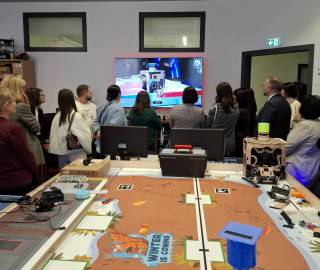
The programme also included visits to University of Western Macedonia facilities and cultural sites in the region, providing opportunities to strengthen professional relationships among the participating institutions.
Reflecting on the project’s achievements and future potential, Kate Moore, Senior Research Fellow in the Faculty of Information Technology and Communication Sciences at Tampere University and DigiFled Lead Principal Investigator, said:
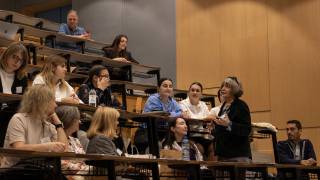
“DigiFLEd has delivered truly excellent results, particularly considering the difficult circumstances our Ukrainian partners continue to navigate. The project attests to the power of strong international collaboration, local teamwork, and a mutual commitment to education. In the future, we aim to build on this foundation by further developing the seven virtual learning centres to support Ukraine’s ongoing recovery, reconstruction, and future educational growth.”
Sustaining DigiFLEd’s Impact
With DigiFLEd nearing completion, its achievements provide a strong foundation for continued European–Ukrainian academic cooperation.
The seven virtual learning centres established through the project offer opportunities to expand digital education, strengthen international academic collaboration and support the development of skills and competencies essential to Ukraine’s future.
For Tampere University, DigiFLEd reflects its commitment to internationalisation, educational innovation and meaningful international partnerships that deliver lasting institutional and societal impact.
Beyond the modernised curricula and digital infrastructure, the project’s enduring legacy lies in the relationships established among its European and Ukrainian partners, creating opportunities for further collaboration in digital education, institutional resilience and Ukraine’s reconstruction.
Further information: www.digifled.eu
DigiFLEd was co-funded by the European Union through the Erasmus+ Capacity Building in Higher Education programme.