

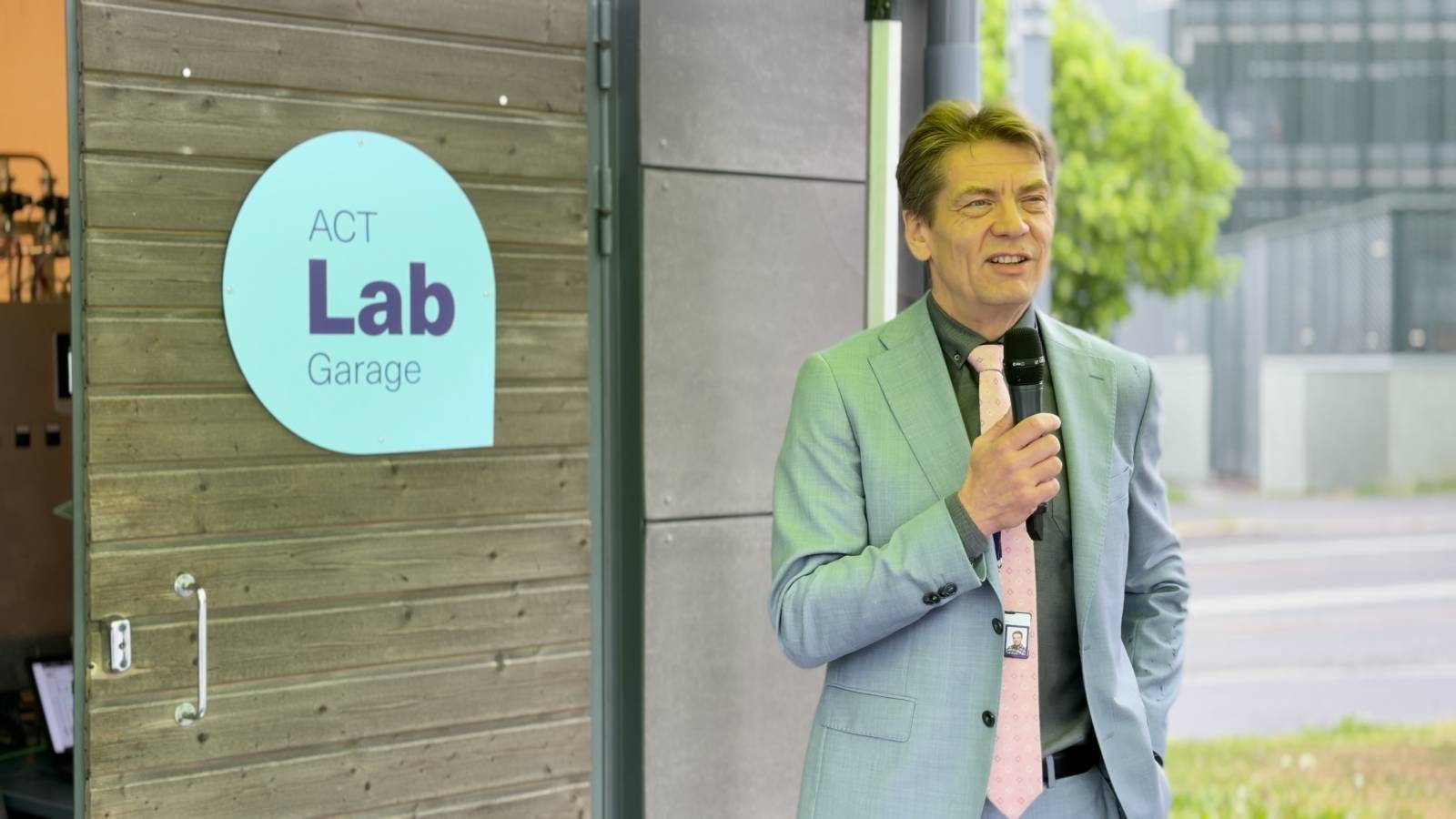
The ACT (Applied CleanTech) research group celebrated the opening of its new laboratory environment, creating a dedicated space for hands-on experimentation, technology development, and collaboration. The ACT Lab Garage, as the lab was named, is located in Tampere University of Applied Sciences (TAMK)’s main campus.
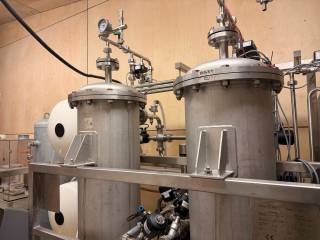
The occasion was marked by opening remarks from the vice-president of Research, Development and Innovation Ari Sivula, the unveiling of the ACT Lab Garage sign, presentation of the CASE project, and a demonstration of the pilot carbon capture device that has now been transferred to the laboratory. From today onward, the development and testing of the technology will continue in its new home at ACT Lab Garage.
A Different Kind of Laboratory
The new facility has affectionately been named as “garage lab”. During the opening ceremony, Ari Sivula reflected on how some of the world’s most influential innovations began in garages, noting that this new type of laboratory environment represents a fresh and innovative approach within a university of applied sciences. He highlighted the importance of creating accessible and practical research environments that support experimentation and innovation. The laboratory strengthens TAMK’s attractiveness and capabilities in RDI activities. It is designed to support both current and future CleanTech projects, offering a flexible environment for pilot-scale testing and applied research.
From Modelling to Real-World Testing
The opening marks an important step for the CASE project and the development of HALT (Hybrid Adsorption and Low Temperature) carbon capture technology, which has as goal to create an efficient and energy-saving solution for capturing carbon dioxide from flue gases. After approximately one and a half years of development, the project has progressed from computational modelling and process design to practical pilot testing.
The technology aims to combine a high capture rate, good product gas purity, and a cost-effective process. Based on the modelled results, HALT technology appears to be a promising alternative for carbon dioxide capture. The robustness of the process and its low energy consumption seem to offer a competitive technology compared to many current solutions.
The modifications to the experimental unit acquired from the University of Bayreuth have been completed, and initial test runs have already begun. These initial experiments are expected to provide crucial information on the process’s performance, stability, and scalability under realistic operating conditions.
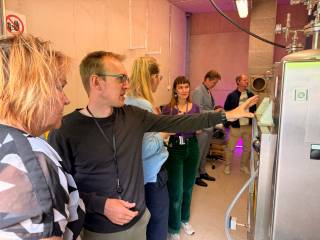
The transfer of the pilot device to ACT Lab represents a significant milestone for the project. The laboratory now serves as the operational base where future testing, development work and optimisation of the technology will take place. During the opening event, Project Specialist Joona Huila presented the pilot equipment and introduced visitors to the practical operation of the carbon capture system.
Innovation Driven by Necessity and Courage
In his speech, CASE project leader Tero Joronen emphasised both the urgency and responsibility behind the work being carried out.
“We must develop sustainable solutions. We must do something about rising carbon dioxide levels and climate change, because these are serious issues.”
Tero described the new laboratory as an important step in strengthening the ACT research group’s ability to develop new technologies and create practical solutions to global environmental challenges. He also highlighted the need for bold action and experimentation, referencing Finnish poet Tommy Tabermann’s thought:
“At the threshold of doubt, consider how much courage you dare leave unused today.”
According to Tero, innovation requires not only expertise but also the willingness to act quickly and courageously when addressing major societal challenges.
Looking Ahead
While the opening of ACT Lab is a symbolic milestone, it also marks the beginning of a new phase. The facility provides a dedicated environment where ideas can be transformed into prototypes, pilot systems and, ultimately, practical solutions with real-world impact.
For the CASE project, the next chapter begins here. With the pilot device now installed and operational in the laboratory, the focus shifts toward generating experimental data, validating performance, and advancing the commercialisation potential of HALT technology.